Employee Benefits: Full Guide for German Firms [2026]

Jatin Gagwani
Performance Marketer @Bella&Bona
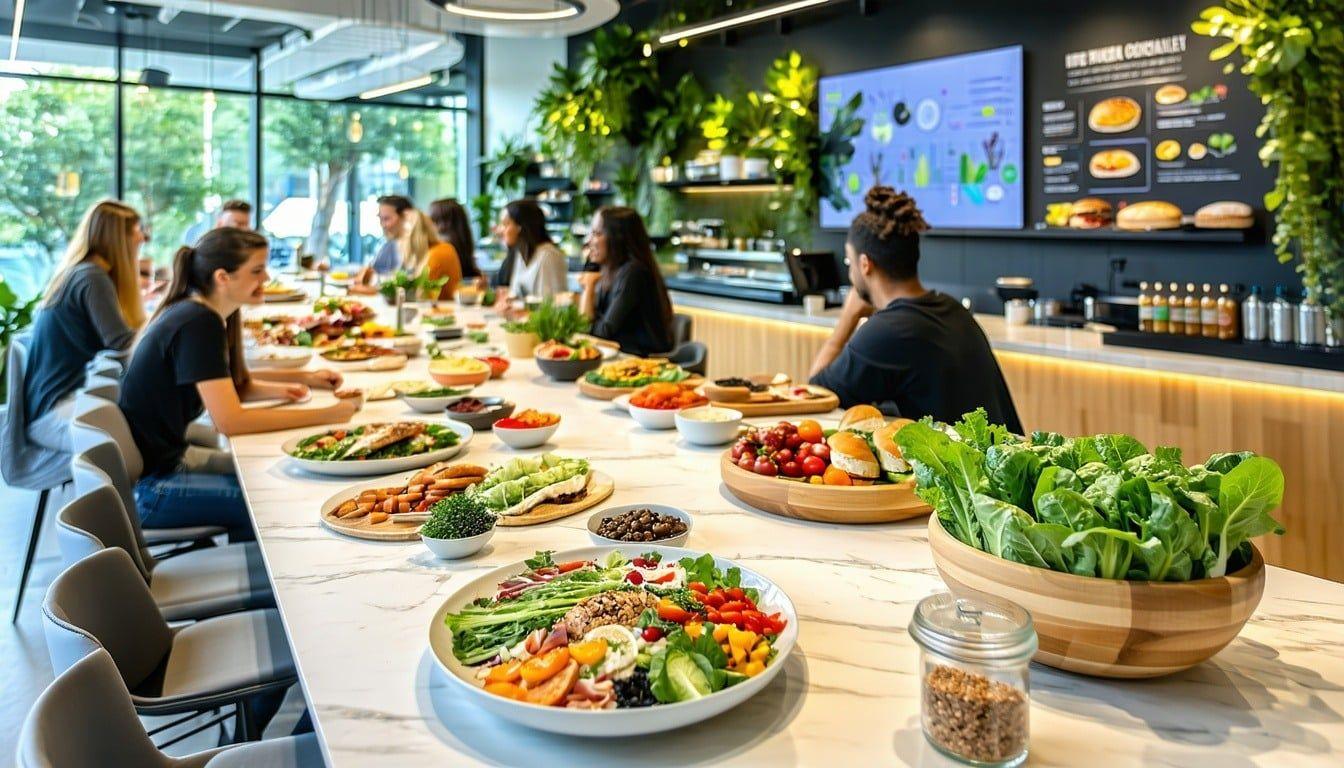
By 2026, more than 70% of German employees prioritize companies that offer better benefits. In this scenario, food benefit programs remain the main lever for attracting and retaining the best talent.
A study by the German Federal Ministry of Labour and Social Affairs (BMAS) found that 76% of employees value additional benefits when choosing an employer.
Millennials and Gen Z now make up over half of the German workforce, prioritizing work-life balance and perks over monetary compensation. As a result, German companies continue to expand their benefits packages to remain competitive.
The COVID-19 pandemic accelerated trends like remote work and mental health support, and hybrid and remote work remain firmly embedded in German workplace culture. In Germany, these benefits, known as “Mitarbeiter-Benefits” or “Zusatzleistungen,” play a crucial role in employer branding.
Types of Employee Benefits
For the above reasons, employee benefits continue to grow more innovative, helping companies attract and retain talent. These benefits range from comprehensive, subscription-based platforms to tailored service contracts offering substantial cost savings for employees.
Tax-free shopping benefits
One of the most attractive perks for employees is access to tax-free shopping benefits. Services such as Become1.de aggregate discounted offers specifically for employees, providing a curated selection of deals across various categories.
Mobility benefits
Mobility-related benefits are increasingly important, especially in urban areas:
- Travel Cards — Companies like Navit specialize in providing mobility budgets and subsidies. These can include public transport passes such as the Deutschlandticket, priced at €63 per month as of January 2026, or flexible mobility allowances.
- Bike Leasing — With the growing emphasis on sustainability and health, providers like JobRad let employees lease high-quality bicycles through their employers at favorable rates.
Food Benefits
As traditional in-office perks like free fruit, drinks, and coffee are no longer enough to attract top talent, companies continue to shift their focus toward creating comprehensive workplace experiences that enhance well-being and productivity.
At Bella&Bona, serving over 150 companies in Munich and Berlin has shown us that food is the top benefit for making the office attractive. Our digital lunch solutions provide employees with a diverse array of meals delivered directly to the office, while offering employers significant tax benefits and streamlined administration.
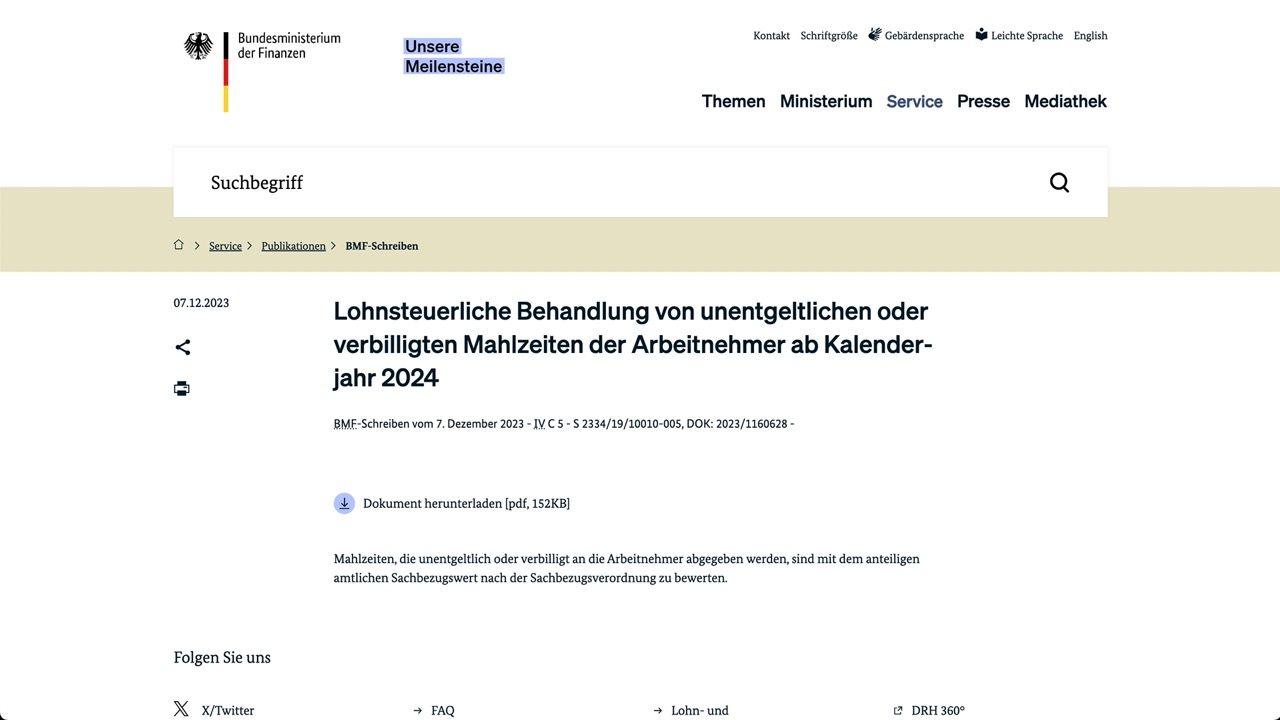
Bella&Bona’s platform features nutritious, restaurant-quality meals, customization for dietary needs, real-time tracking of meal allowances, and automated tax compliance based on the current Sachbezugswerte — which for 2026 allow tax-free meal benefits of up to €7.67 per working day when combining the €4.57 Sachbezugswert for lunch or dinner with the flat-rate taxed portion under Section 40(2) EStG, up from roughly €7.23 in 2025.
Here’s a comparison of the cost-effectiveness of digital lunch platforms:
| Benefit Type | Gross Cost to Employer | Net Benefit to Employee | Tax Savings |
|---|---|---|---|
| Salary Increase | €1,108.80 | €554.40 | €0 |
| Bella&Bona Lunch Benefit | €1,108.80 | €1,108.80 | €554.40 |
Mental Health Support
With increasing awareness of mental health issues, many German companies now offer dedicated mental health benefits:
- Nilo.health provides digital mental health support for employees.
- Likeminded offers personalized mental health care plans.
Gym Subsidies
Physical health remains a priority, with many companies offering gym subsidies or partnerships:
- Urban Sports Club provides access to a variety of fitness studios and classes.
- EGYM Wellpass offers a comprehensive corporate fitness solution.
Learning Budget & Professional Development
Continuous learning is crucial in today’s fast-changing workplace. Many companies offer learning budgets or subscriptions to platforms like LinkedIn Learning to support their employees’ professional development.
Childcare Subsidies
To support working parents, many German companies now offer childcare subsidies or on-site childcare facilities. This aligns with the German government’s efforts to improve work-life balance for families.
By offering a mix of these benefits, German companies create a more attractive, supportive, and productive work environment. The key is tailoring the benefits package to the specific needs and preferences of the workforce, which often vary by industry, company size, and employee demographics.
Legal and Tax Considerations
Understanding the legal and tax implications of employee benefits in Germany is crucial for both employers and employees.
Overview of German Regulations
Employee benefits in Germany are governed by various laws and regulations, including:
- The German Income Tax Act (Einkommensteuergesetz – EStG)
- The Social Security Code (Sozialgsetzbuch – SGB)
- The Works Constitution Act (Betriebsverfassungsgesetz – BetrVG)
Tax Advantages for Companies and Employees
Many employee benefits in Germany come with tax advantages. Here's an overview of some key tax-free benefits from the Federal Ministry of Finance:
| Benefit Type | Tax-Free Limit (2026) | Legal Basis |
|---|---|---|
| Meal Allowance (Sachbezugswert, lunch/dinner) | €4.57 per working day (up to €7.67 combined with flat-rate taxed portion) | § 8 Abs. 2 EStG |
| Health Promotion Measures | €600 per year | § 3 Nr. 34 EStG |
| Job Ticket for Public Transport | No limit (if additional to salary) | § 3 Nr. 15 EStG |
| Company Bicycle | No limit for private use | § 3 Nr. 37 EStG |
Implementing an Effective Benefits Program
Implementing a successful employee benefits program requires careful planning, budgeting, and strategic communication.
Assessing Employee Needs
Before implementing new benefits, it's crucial to understand what your employees actually value. Consider the following approaches:
- Conduct anonymous surveys using tools like SurveyMonkey or Google Forms.
- Organize focus groups with employees from different departments.
- Analyze industry benchmarks from sources like the German Federal Statistical Office.
Budgeting and Cost Considerations
Here's a sample budget breakdown for a mid-sized company of 100 employees:
| Benefit Type | Annual Cost per Employee | Total Annual Cost | Estimated ROI |
|---|---|---|---|
| Lunch Benefit | €1,096.80 (€4.57 × 240 working days) | €109,680 | 15% (increased productivity) |
| Public Transport Subsidy | €600 | €60,000 | 10% (reduced tardiness) |
| Health Promotion | €500 | €50,000 | 20% (reduced sick days) |
| Professional Development | €1,000 | €100,000 | 25% (improved skills) |
Note: ROI estimates are based on industry averages and may vary.
Tax Optimization
Leveraging tax-free benefits can significantly increase the value of your package without increasing costs. For example:
| Benefit | Gross Cost to Employer | Net Benefit to Employee | Tax Savings |
|---|---|---|---|
| €1,000 Salary Increase | €1,000 | €500 (assuming 50% tax + social security) | €0 |
| €1,000 in Tax-Free Benefits | €1,000 | €1,000 | €500 |
To measure success, establish key performance indicators such as employee satisfaction, benefits utilization, retention, and recruitment success — and review the program annually as needs and tax laws change.
Spotlight on Food Benefits
The importance of food-related perks has risen sharply. According to a 2024 survey by the German Association for Nutrition (DGE), 67% of employees consider food benefits a crucial factor in their job satisfaction.
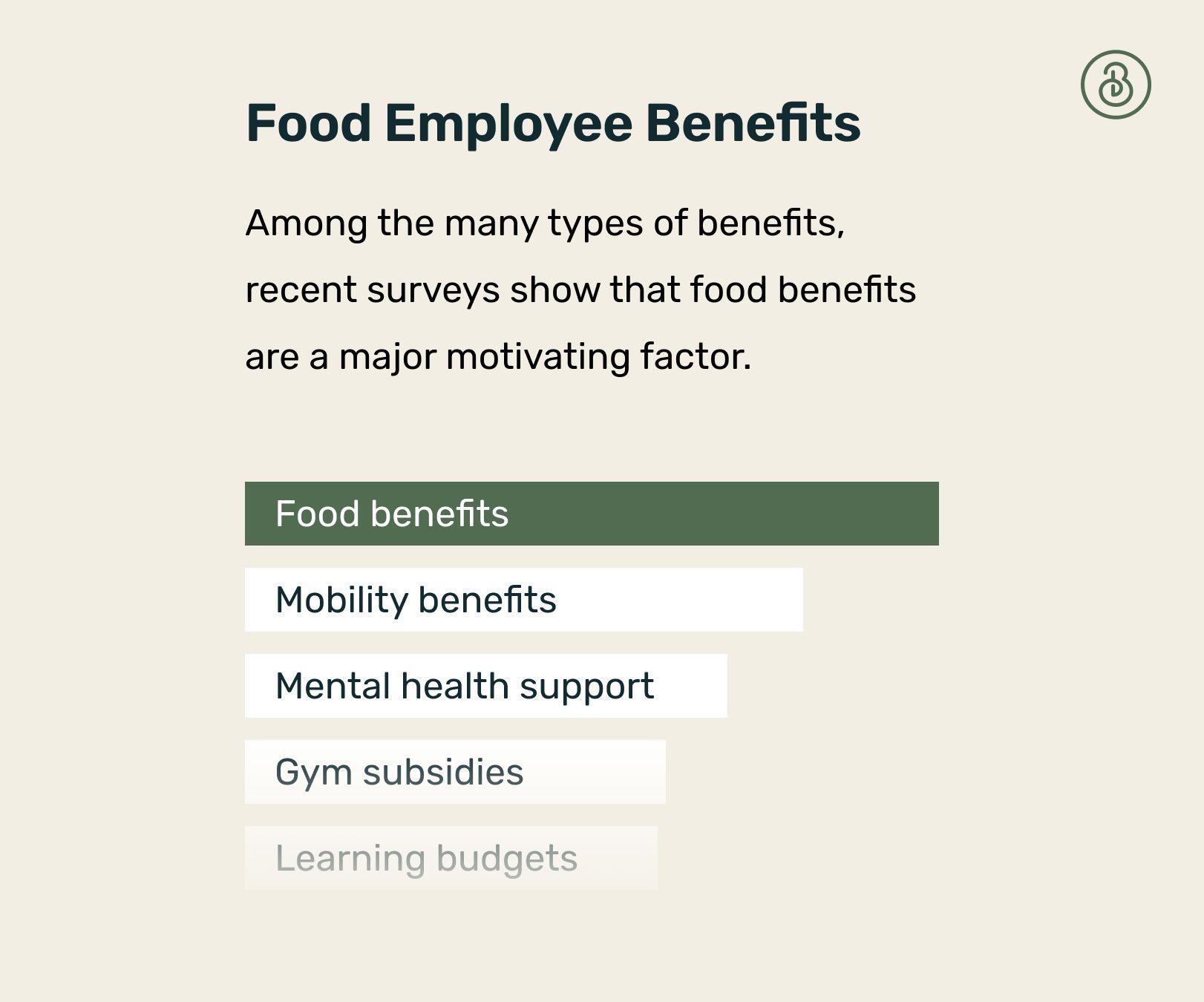
Food benefits have evolved from simple office snacks to comprehensive meal programs, driven by awareness of the link between nutrition and productivity, the desire for social interaction during meals, and a growing focus on employee well-being.
For example, Bella&Bona's digital platform has been shown to increase employee satisfaction by 35% and reduce the administrative time spent on meal benefits by 80% in client companies.
Benefits Trends for 2026 and Beyond
Several trends are shaping the landscape of employee benefits in Germany. Mental health support is emerging as a key benefit type, with more companies offering therapy sessions and stress-management resources.
Sustainability-focused benefits, such as electric vehicle leasing and carbon offset programs, are gaining popularity, and companies are moving towards personalized packages that let employees customize their offerings.
Workplace surveys suggest that a majority of employees continue to prioritize companies offering flexible and comprehensive benefit packages over those with higher salaries alone.
How will your organization respond to these emerging trends in employee benefits?