Return to Office: How to Approach It

Jatin Gagwani
Performance Marketer @Bella&Bona

Incentives are what drive successful return to office policies. Since the pandemic, remote, hybrid, and flexible work arrangements are part of everyday life for many employees.
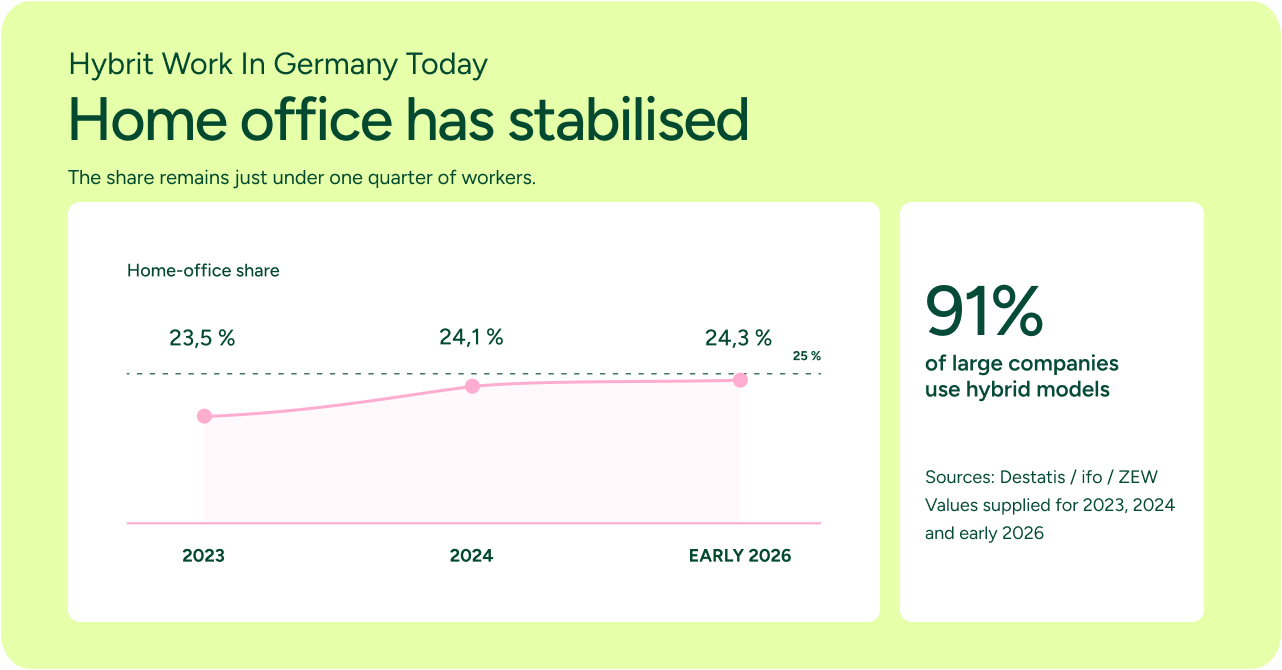
In Germany, 23.5% of employed people worked from home at least occasionally in 2023, 24.1% did so in 2024, and still 24.3% in early 2026. At the same time, ZEW reports that 91% of large companies in the information economy use hybrid models with at least two home-office days per week. (Source: Destatis 2023, Destatis 2024, ifo, ZEW)
That means that companies who want to adopt return to office policies should look at more than symbolic incentives and rules to adopt a successful RTO policy. In this article, you'll find common challenges for employers, why many companies still struggle to get people back to the office, and how to best approach a successful RTO policy.
Why many companies still struggle to get people back to the office
The office and home now offer different value
Hybrid work has developed into a stable work model that offers flexibility, reduces commuting time, and supports work-life balance. The office, on the other hand, offers something else: faster decisions, more spontaneous exchange, stronger workplace culture, and more time with team members. Microsoft's research on remote work also found that remote-heavy work can weaken informal connection and make collaboration feel more fragmented. (Source: Microsoft)
Employees need a reason, not just a rule
Return to the office is not just an operational question. It is one of environment, workplace quality, routines, and whether the office offers clear value that people do not get as easily from home. That is why the best return-to-office incentives do not fight flexibility; they work with it. Strong office returns usually come from a better mix of structure, autonomy, and visible daily value. (Source: Future Forum)
Why classic return-to-office strategies often fail
1) Rules create attendance, but not real presence
A stricter return-to-office rule may push more people back. But more days on site do not automatically mean more collaboration, better work, or stronger culture. If employees feel a rule is one-sided, they often resist, especially when there are no obvious incentives to do so. (Source: University of Konstanz)
2) One-off events create attention, but not habits
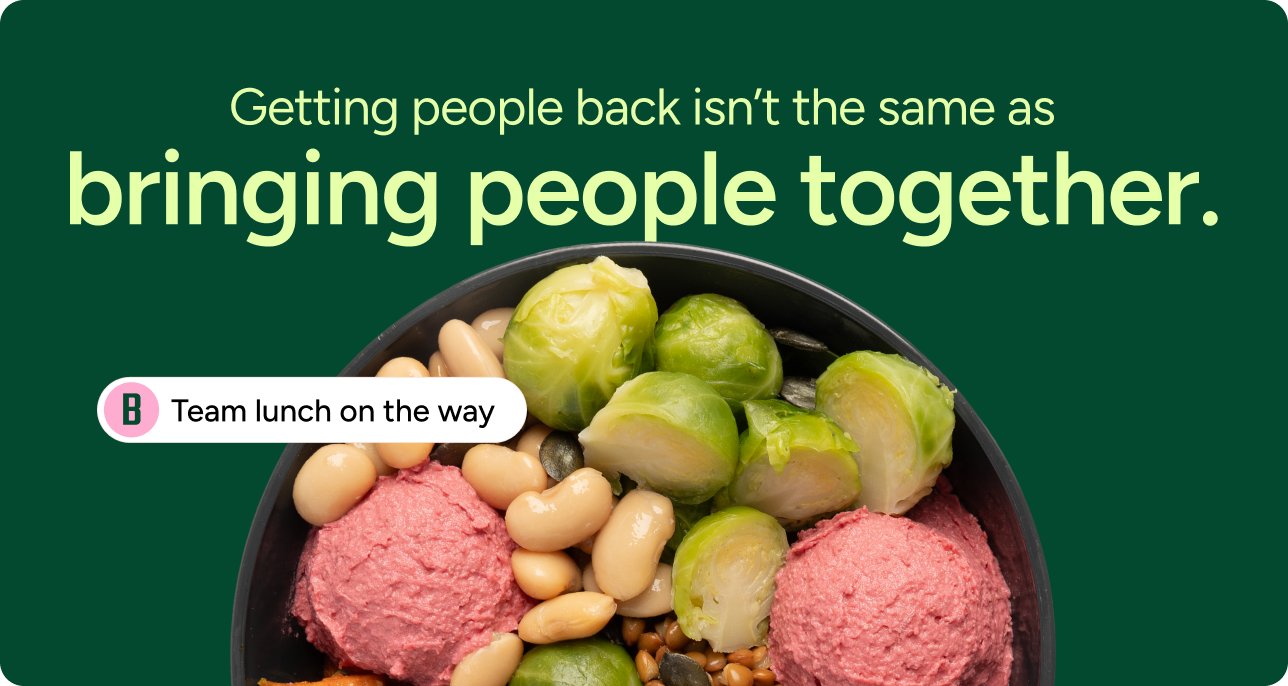
Summer parties, team dinners, after-work drinks, and offsites can be useful. But they do not change the weekly rhythm on their own. Creating recurring formats and routines, such as shared lunch, breakfast, and regular team-day events are much stronger incentives than isolated events.
3) Symbolic office perks rarely change behavior
Some office perks look good on paper: snacks, small gifts, branded goodies, or occasional extras. But many of these perks do not answer the core question: why should people change their routines and come back into the office more often? The best incentives improve daily life, not just employer branding.
The return to office is about culture and structure – not just policy
A modern work model should balance independent deep work with meaningful time on site. That means:
- clear working hours and focus time
- a sensible work schedule
- better meeting habits
- digital tools that support hybrid teams
- a workplace that feels better than the kitchen table
This is also why the office should be designed around things that are hard to replicate remotely: spontaneous exchange, mentoring, shared workshops, brainstorming, and relationship-building across teams. If people come in only to sit on video calls all day, the office loses its advantage. If they come in for collaboration, coaching, and shared momentum, the return feels much more worthwhile.
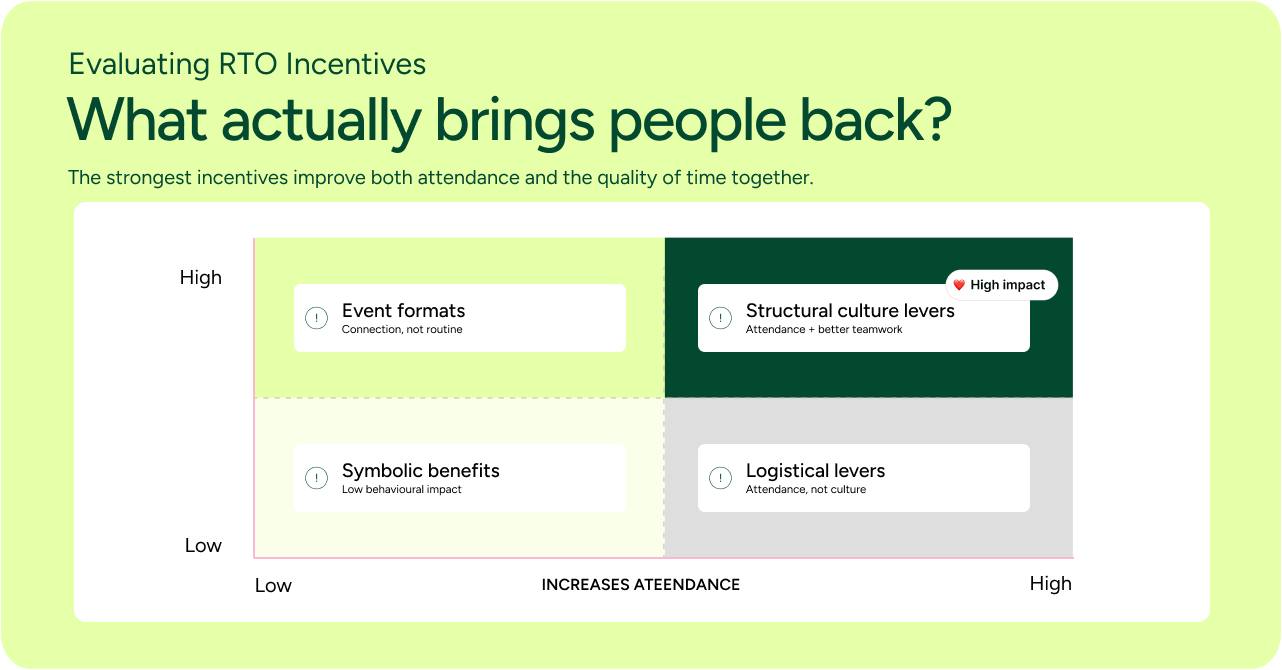
Our impact matrix: how to evaluate return-to-office incentives
Judge every proposed measure against two questions:
- Does this increase office attendance?
- Does this improve collaboration and everyday productivity?
That leads to four types of measures:
| Type of measure | Increases attendance | Improves collaboration | Verdict |
|---|---|---|---|
| Structural culture levers | Yes | Yes | Creates habits and real daily change |
| Logistical levers | Yes | No | Eases the commute, not the culture |
| Event formats | Sometimes | Yes | Builds bonds, too rare for routine |
| Symbolic benefits | No | No | Looks thoughtful, weak as incentive |
Transparent employee surveys help identify what draws the team back to the office. They do not solve the return to office on their own, but they help employers understand what the team actually values, where friction sits, and which return-to-office incentives are most likely to work in practice. (Source: Top Workplaces)

Berlin & Munich
Give people a reason to come in.
Daily office lunch your team actually looks forward to.